Owning a Small North Miami Apartment Building Just Got More Expensive, and Rent Isn’t Covering It
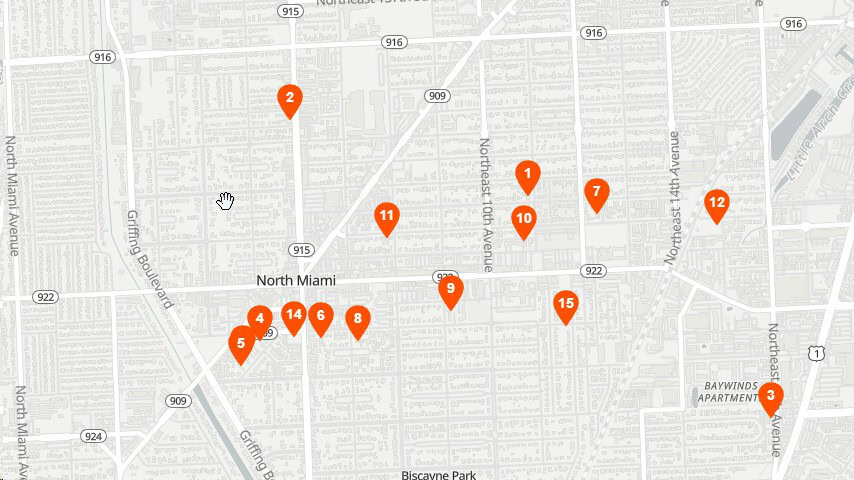
Every whole-building sale in our North Miami 4-to-30-unit comp set traces back to a property built between 1931 and 1967, meaning every one of these buildings is 59 to 95 years old today. That age is now shaping ownership economics more than any single market indicator.
Start with revenue. On this corridor’s older, smaller-unit stock, asking rents run closer to $1,600 for a one-bedroom and $2,000 for a two-bedroom, a blended figure near $1,700 to $1,800 per unit, well below the Miami-Dade countywide median of roughly $2,660. Countywide rent growth of 1.5% year over year is still a useful pace benchmark, well below the double-digit gains landlords saw earlier this decade. Vacancy sits at 4.9% to 6.6%, modestly above average. Occupancy isn’t the immediate threat here; expense growth is.
Property taxes are one clear driver. Miami-Dade’s countywide preliminary taxable value for 2026 came in at $540.1 billion, up 5.4% over 2025, and a change in ownership often triggers reassessment closer to full market value the year after a sale. Against 1.5% rent growth, a 5%-plus tax increase is a straightforward, compounding drag on net operating income.
Insurance is the bigger story. Premiums on this product type ran about $68 per unit per month in 2024, up from roughly $39 in 2019, a 75% increase in five years. Owners aren’t passing that through: tenant pass-through runs only 25 to 40 cents per dollar of increase, so 60 to 75 cents comes straight out of an owner’s pocket. Carriers have also gotten choosier about older, non-recertified buildings.
Recertification, Refinancing, and What It Means for 2026-2027
Miami-Dade requires structural and electrical recertification at 30 years inland, 25 years within about three miles of the coast, and every 10 years after that. Given this corridor’s building ages, these properties are on their second, third, or fourth cycle, not their first. Deferred findings compound into the next cycle, turning a compliance requirement into a broader capital plan touching roofing, plumbing, and electrical systems.
Debt adds a fourth pressure point. Multifamily loan maturities nationally are projected to jump from about $104 billion in 2025 to about $162 billion in 2026, a 56% increase. Owners who financed when rates and cap rates were lower are finding a straight refinance won’t pencil against the same balance, pushing many toward fresh equity, negotiated modifications, or a sale.
None of these four pressures is new on its own. What’s changed is that they’re now compounding at once against rent growth barely above inflation. Our comp set shows the market already pricing this in: buildings with documented recent capital work and current recertification status command a real premium over ones still carrying that exposure. For owners weighing whether to hold, refinance, or sell over the next 12 to 24 months, the data points to one conclusion: address recertification and deferred maintenance now to protect value and refinance on workable terms when the loan comes due.
Report Date: 9-1-2026
Mini Market: Northern Urban Core – 103rd St to 135th St – East of I-95