It Started With a Cold Call
Most cold calls end in the first ten seconds. This one didn’t.
I was working through a list of industrial owners when a warehouse owner picked up and, within about thirty seconds, made it obvious he was different. He wasn’t annoyed. He was interested. “You know,” he said, “I’ve been thinking about this for a while now. We’ve outgrown this place. Do you have somebody who wants to buy?”
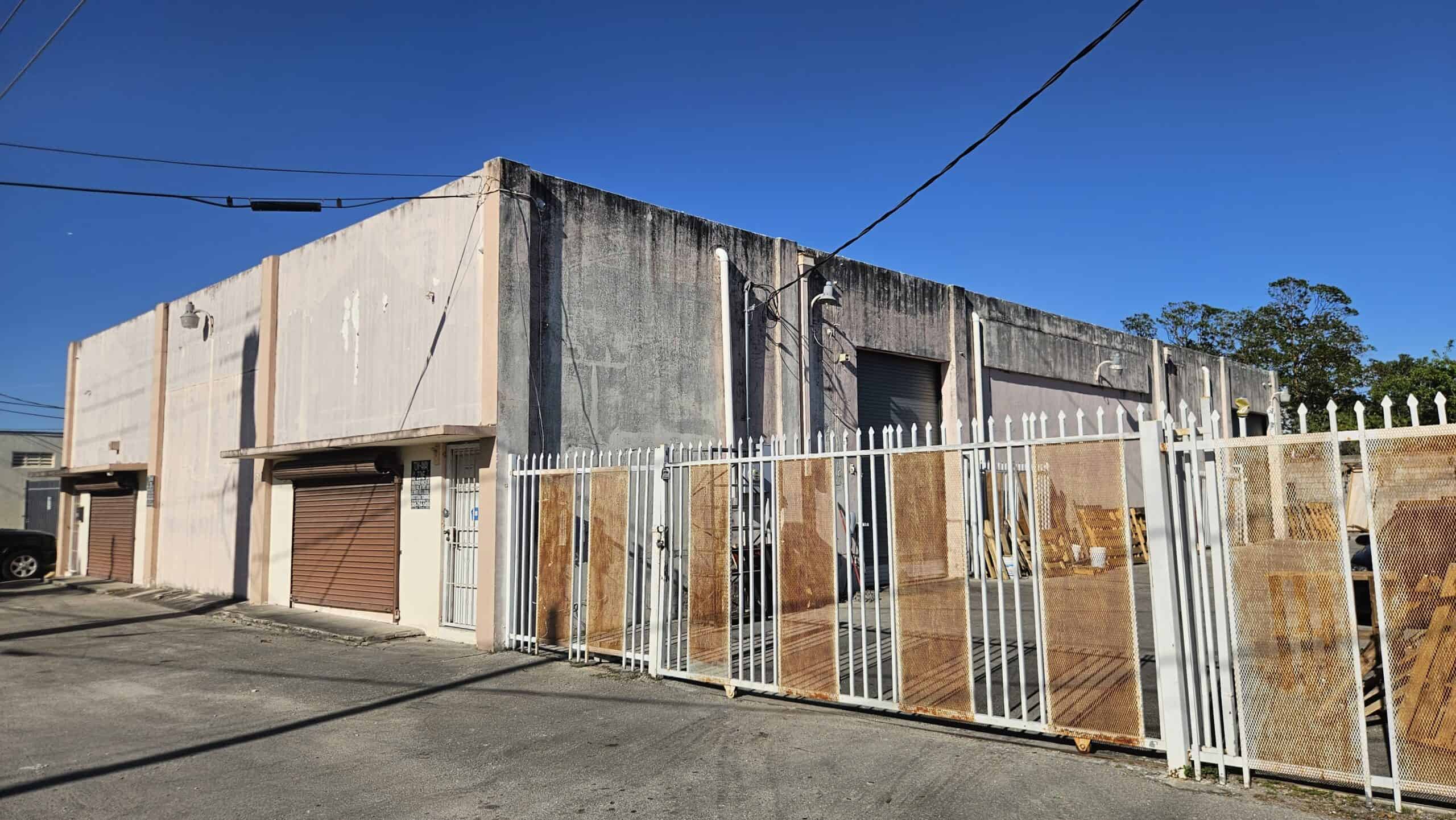
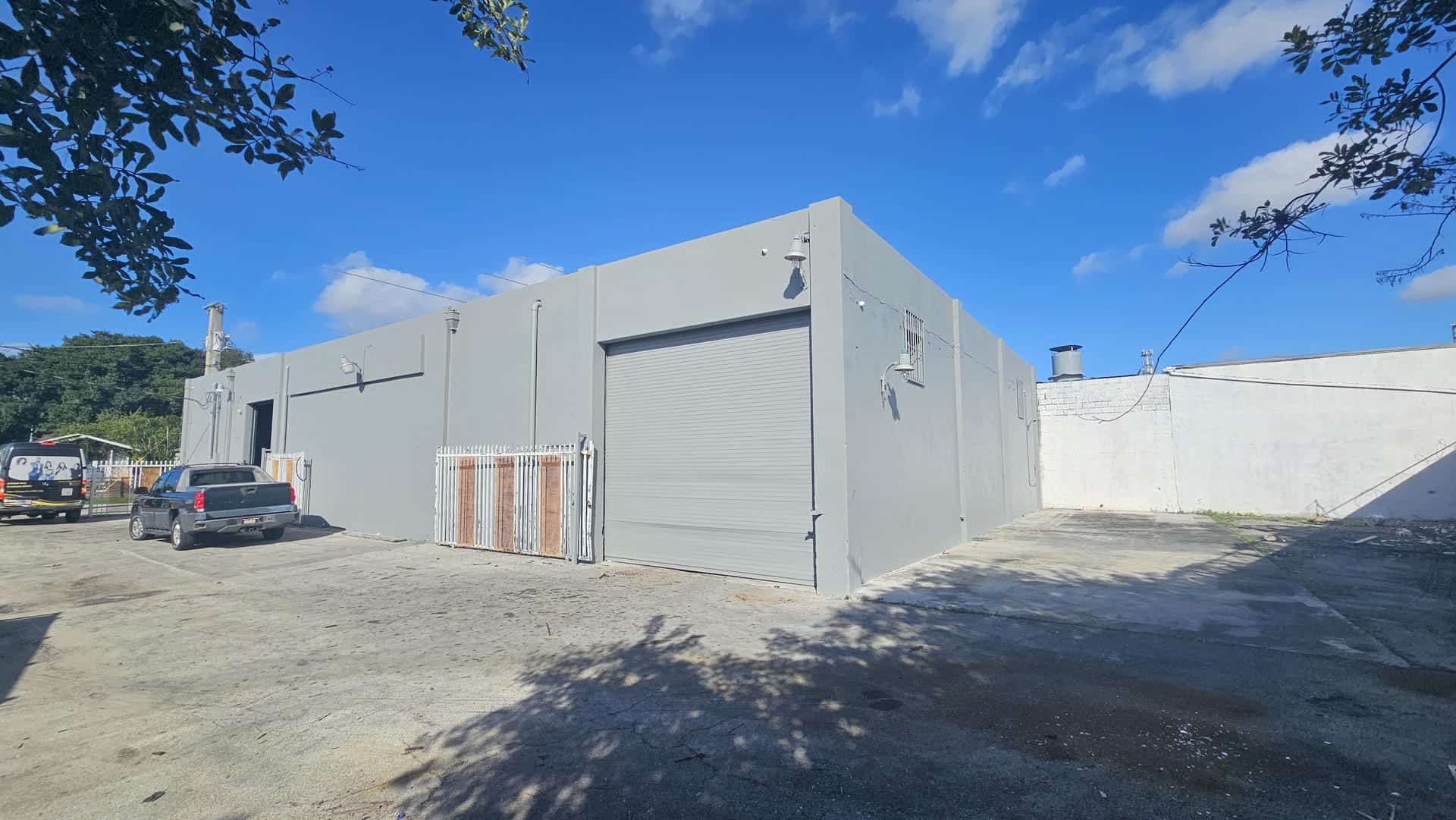
He ran a distribution business that had been expanding steadily for years. His 6,000 square foot warehouse had served him well, but his team was stacking pallets in every available corner, and he’d turned down three new contracts in the past year for one reason: he didn’t have the space. He needed to move.
The property had never been listed. It still never was.
Buy First, Then Sell
What sounded like a straightforward sale was really a sequencing problem.
He couldn’t afford downtime. A distribution business that stops distributing loses customers, so he needed to be operational in a larger building before his current one changed hands. That meant buying first. But the equity to fund that purchase was sitting in the building he hadn’t sold yet.
So the order was fixed and the margin was thin: secure the replacement, close on it, move the operation, then sell the original into whatever market was there when we got to it.
Then diligence on the existing building turned up something that made the timing harder. Beyond a handful of pending code violations, the property was ten years behind on its 40-year recertification.
A Delay Problem, Not a Deal Problem
Worth being precise about what that actually meant, because it’s easy to overstate.
The building was in decent condition. The recertification wasn’t going to fail, and the work it required wasn’t going to be dramatic. What it was going to do was take time, and time was the one thing the schedule didn’t have. The buyer needed to close before year-end for their own operational reasons. An uncleared recertification wouldn’t have killed the sale. It would have pushed it into the following year and cost that buyer the timing they needed.
So the decision was whether to treat it as a reason to slow down or as a project to manage. We managed it. Engineers, expeditors, city contacts, and steady pressure on every step of the process.
Here’s the part that made it work: the buyer needed this building. They weren’t looking for an exit and they weren’t using the recertification as leverage. They helped get it done. When both sides of a transaction want the same outcome, a compliance problem stops being a negotiation and becomes a schedule.
The Grind
Once we were under contract on both sides, the real work started.
The recertification took the most attention. Coordinating with the engineer, reviewing inspection reports, chasing permits, and working through violations that ranged from minor code items to structural assessments. Some days moved backward. A delayed inspection, a repair that surfaced another repair.
Running alongside it was the move itself. His team was packing and planning to scale operations sixfold into 36,000 square feet. Contractors, timeline overlap, and financing that had to stay on track across two transactions at once.
The thing that kept it together was communication. He knew where every piece stood, including the parts that weren’t going well. A client who understands a delay tolerates it. A client who finds out about it late starts wondering what else he hasn’t been told.
How It Closed
We closed the purchase in late August, and the sale of the original warehouse on December 15, 2025. Four months apart, in the order the business required.
The warehouse sold for $2.9 million into a strong sub-market, with the recertification cleared and the violations resolved. The buyer got a certified building with no outstanding compliance issues and the year-end close they needed. The seller went from a cramped 6,000 square feet to a facility with room for years of growth, without a day of disrupted operations and without discounting his building to get out of it.
What This One Taught Me
The honest lesson here isn’t about creative structuring or problem-solving under pressure, though there was some of both.
It’s that this deal only worked because everyone in it wanted it to. The seller trusted a sequence that left him exposed for a stretch. The buyer helped clear a compliance issue on a building he didn’t own yet, because he wanted that building. Neither of those is something you can negotiate into a deal. You get them by being straight with people about what’s happening, including when it’s going badly.
Treat good clients well and you get their trust. Trust is what lets you take a calculated risk with someone’s business, and this one started with a cold call on a Tuesday afternoon.
Deal Summary
- Deal Type: Sale, Industrial
- Date: December 15, 2025
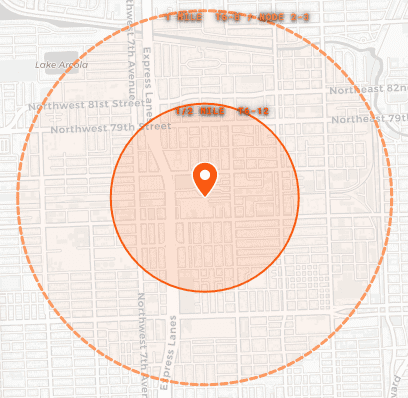
- Location: 7501 NE 3rd Place, Miami
- Transaction Value: $2,900,000
- Property Sold: 6,000 SF industrial warehouse
- Replacement Property: 36,000 SF industrial warehouse
- Timeline: 4 months across two coordinated transactions
- Main Challenge: Buying before selling with no operational downtime, against a 40-year recertification ten years overdue and a buyer who needed to close before year-end
- Solutions: Sequenced the purchase first to keep operations running, project-managed the recertification with engineers and expeditors rather than waiting on it, and worked with a buyer who wanted the building enough to help clear it